

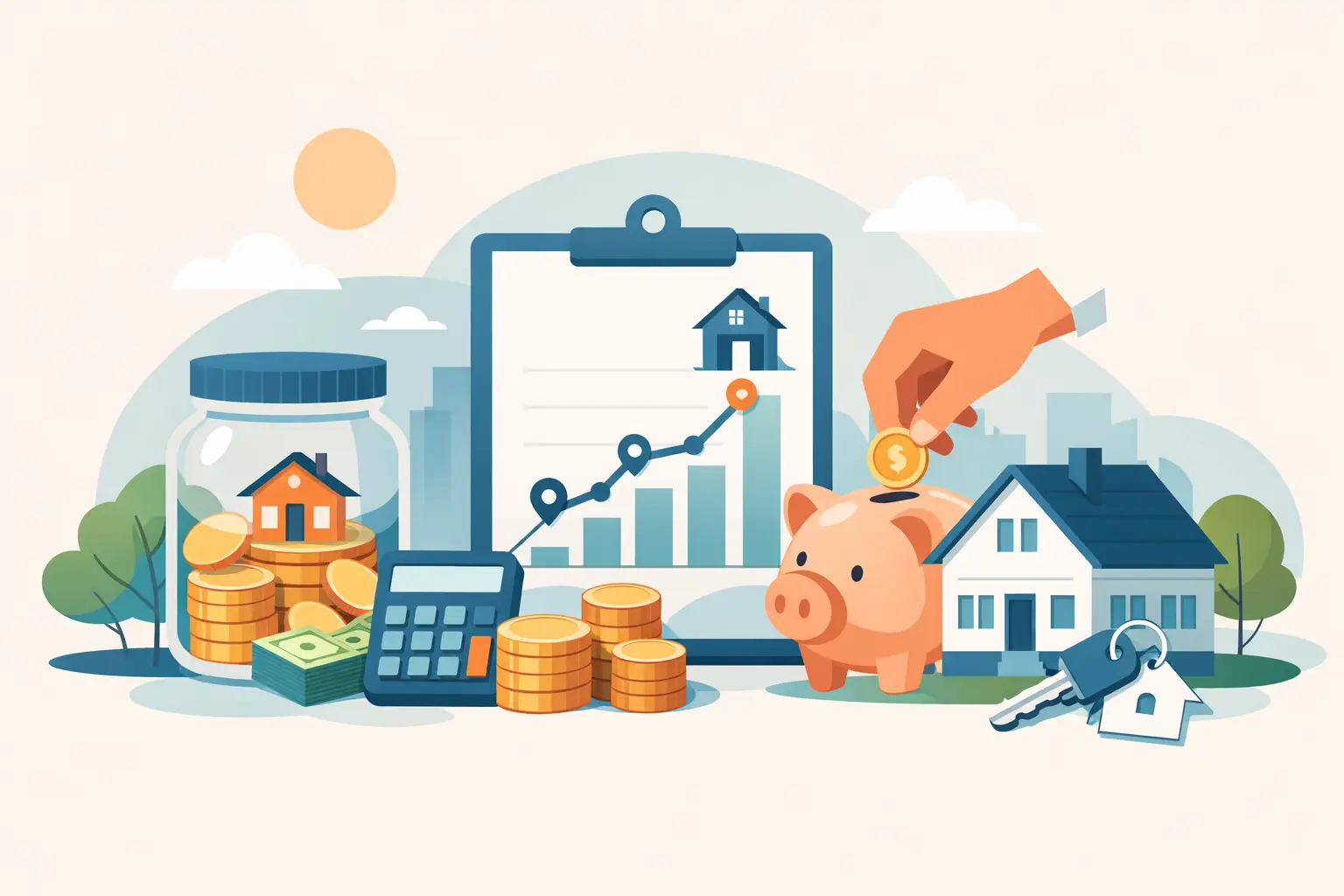
The hardest part of buying your first home is often not choosing a neighbourhood or booking viewings. It is looking at the deposit figure and wondering how you will ever get there. Saving a down payment becomes far less overwhelming when you replace one large number with a clear monthly plan that works alongside real life.
For buyers across the GTHA, prices, closing costs and lending rules can make the goal feel like it keeps moving. The answer is not to cut every enjoyable expense or rush into a mortgage before you are ready. It is to understand the target, build a saving routine, and make choices that protect your wider financial position.
Page Contents
Start with the real down payment target
Your deposit is based on the purchase price, but it is not the only cash you need before getting the keys. In Canada, homes priced at $500,000 or less generally require a minimum down payment of 5%. For a home priced between $500,000 and $999,999, the minimum is 5% on the first $500,000 and 10% on the remaining amount. Homes at $1 million or more normally require at least 20% down.
That minimum is a starting point, not necessarily the right target for you. A larger down payment can reduce the amount you borrow and may lower your monthly payment. Once you reach 20%, you can usually avoid mortgage default insurance. But putting every available dollar into the deposit can leave you without a cushion for repairs, moving costs or a change in income.
Set two figures instead: your minimum deposit and your comfortable deposit. The comfortable figure should leave room for closing costs, which can include legal fees, land transfer tax, inspections, appraisals, moving expenses and adjustments for property taxes or utilities. The exact amount depends on the home and municipality, but planning for these costs early avoids a last-minute scramble.
Build saving a down payment into your monthly life
A deposit fund works best when it is treated like a fixed bill. Rather than saving whatever remains at the end of the month, decide what you can transfer just after payday. Even a modest automatic transfer creates momentum because the decision is no longer up for debate every week.
Start by reviewing three months of bank and card activity. Look for recurring costs that no longer earn their place in your budget, not every small purchase that brings you enjoyment. A forgotten subscription, high-interest credit card balance or expensive mobile plan may free up more than skipping the occasional coffee.
Next, choose a time frame. If your target is $60,000 and you already have $20,000, you need another $40,000. Over 24 months, that means roughly $1,667 each month before allowing for interest or extra contributions. If that number is unrealistic, the plan needs adjusting. You may need more time, a lower purchase price, a co-buyer, or a different location. That is not failure. It is useful information before you begin making offers.
Put your savings in the right places
Where you hold the money matters, especially if you expect to buy within the next few years. Down payment money should not be exposed to more risk than your purchase timeline can handle. A sudden market drop shortly before you need the funds can force you to delay buying or borrow more than planned.
For eligible first-time buyers, a First Home Savings Account can be a strong place to begin. Contributions may provide a tax deduction, and qualifying withdrawals for a first home can be tax-free. The annual and lifetime contribution limits apply, so opening an account sooner can give you more flexibility even if your first contribution is small.
The Home Buyers’ Plan may also allow qualifying buyers to withdraw funds from an RRSP for a home purchase, subject to programme rules and repayment requirements. A Tax-Free Savings Account can offer useful flexibility as well. The right mix depends on your income, tax situation, purchase timeline and whether the money is already invested.
If you plan to purchase in the next one to three years, cash savings accounts, high-interest savings products or GICs with maturity dates that match your timeline are often more suitable than volatile investments. If buying is further away, you may have more options, but the risk level should still fit your comfort and your target date.
Improve the numbers that affect your mortgage
A bigger deposit helps, but lenders consider more than the amount in your account. Your income, employment history, credit record and existing debt all influence what you may qualify to borrow. This is why paying down high-interest consumer debt can sometimes be as valuable as adding every extra dollar to the deposit fund.
For example, carrying a large credit card balance can affect your monthly debt obligations and reduce the mortgage amount a lender is willing to offer. Clearing that balance may improve your cash flow and make it easier to save consistently. It can also prevent you from entering homeownership with costly debt already attached to your budget.
Keep credit use steady while you are preparing to apply. Pay bills on time, avoid applying for unnecessary new credit, and do not take out a car loan or finance major purchases without considering the mortgage impact. A lender will look at the full picture, including whether the payments still work after property taxes, heating costs and other housing expenses are included.
Use windfalls without relying on them
Tax refunds, work bonuses, gifts and side income can speed things up. They are particularly useful for closing the gap between your regular monthly savings and your target. However, a home-buying plan built entirely around a hoped-for bonus or unpredictable overtime can quickly become stressful.
A sensible approach is to base your core target on dependable income, then direct a set share of windfalls to your deposit. You might put 75% of a tax refund into savings and use the rest for something you need now. This keeps the plan sustainable rather than punishing.
If family support may be part of the deposit, clarify it early. Lenders often need documentation showing whether funds are a gift or a loan. A gifted down payment can help buyers get into the market sooner, but it should not create expectations that make your future monthly payments difficult to manage.
Avoid the common rush to buy sooner
There is a difference between stretching a little and stretching so far that homeownership takes over every financial decision. A smaller down payment may get you into a home earlier, particularly when property prices are rising. Yet it can also mean higher borrowing costs, mortgage insurance and less room in your budget when rates renew or household costs increase.
Waiting to save more is not always the best choice either. Prices can change, rent still needs paying, and your personal priorities may make buying sooner worthwhile. The right decision depends on your income stability, the home you want, your emergency savings and how comfortable you are with the monthly payment.
Before you start house hunting seriously, get a clear view of the mortgage payment you could handle, not just the highest amount you might be approved for. A pre-approval can provide useful direction, but it is not a reason to spend at the limit. Leave room for living, saving and the ordinary surprises that come with owning a home.
Make the plan personal before you make an offer
Saving for a deposit is not just about discipline. It is about building a purchase plan that fits your income, timing and long-term comfort. Someone who is self-employed, receiving family help, carrying existing debt or buying with a partner may need a different approach from a buyer with a straightforward salaried income.
A mortgage broker can help you understand how your deposit, credit and income may be viewed by different lenders before you commit to a property. EasyApproval.ca and Peter Motem can help buyers look beyond the headline rate and focus on a mortgage structure that fits their life.
Start with the amount you can save this month, automate it, and review the plan every few months. Progress rarely looks dramatic at first, but a clear target and steady action can turn a distant home purchase into a realistic next step.





Leave A Comment